

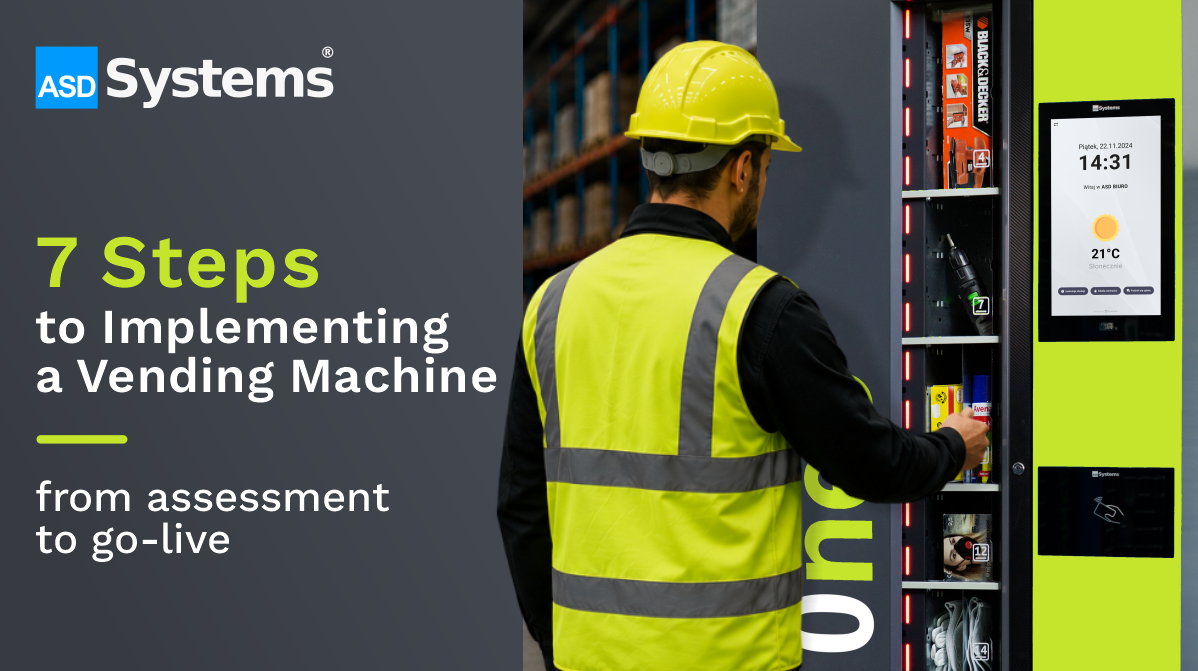
How Does Implementing an ASD Systems Vending Machine Work? A Step-by-Step Guide in 7 Stages
Implementing an ASD Systems vending machine is a structured process divided into clearly defined stages — from a needs assessment and device configuration, through production, to physical installation and staff training at your facility. If you are considering automating the distribution of PPE or other workplace supplies and want to understand exactly what the process looks like, this article walks you through all 7 stages, step by step.
Stage 1. Needs Assessment & Consultation
Duration: 1–2 weeks
ASD Systems provides end-to-end client support — from initial contact through to full deployment of vending solutions — with a particular focus on advisory services and matching the right solution to each client’s requirements.
The detailed audit and in-depth analysis covers:
- types and volumes of items to be dispensed — e.g. personal protective equipment (PPE), tools, and similar supplies,
- number of employees and their categories — i.e. who will have access to the system,
- dimensions of the products or materials to be distributed,
- planned installation locations within the facility — e.g. near entrances or directly in production areas,
- organisational structure of the company.
At this stage, our team gains a full understanding of your expectations for the vending solution — which forms the foundation for a successful implementation.
Stage 2. Model Selection & Device Configuration
Duration: 2–3 days after the audit
Based on the audit findings, we select the appropriate machine models and their configuration.
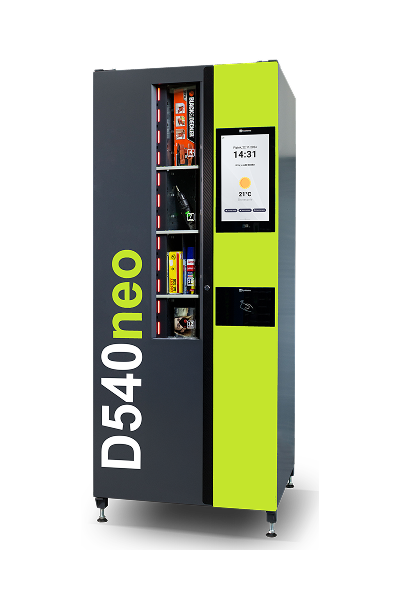
Drum-type machine with additional storage space for consumables.
Preferred by companies with lower inventory volumes.
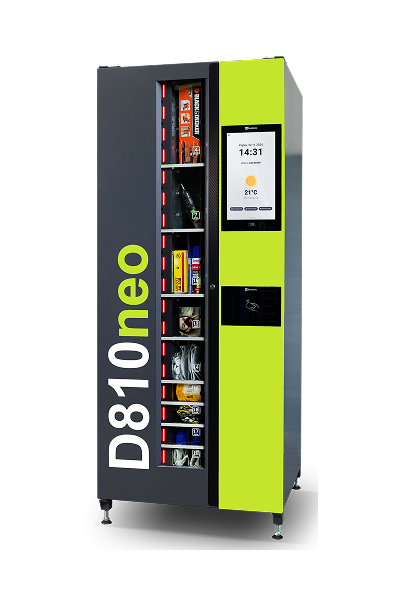
High-capacity drum machine in a compact form factor.
Designed primarily for tool dispensing.
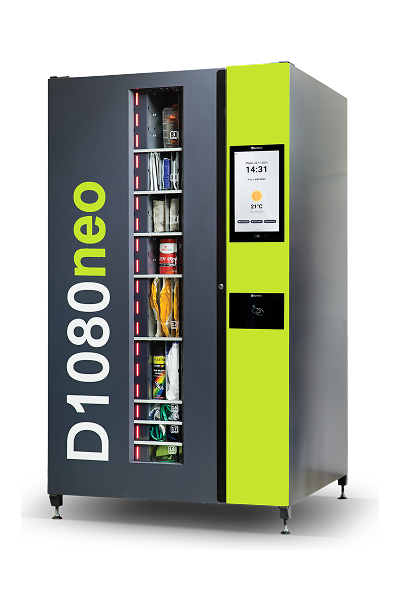

Vending locker cabinet for various product types, particularly oversized items.
Suitable for power tools with built-in battery charging capability.
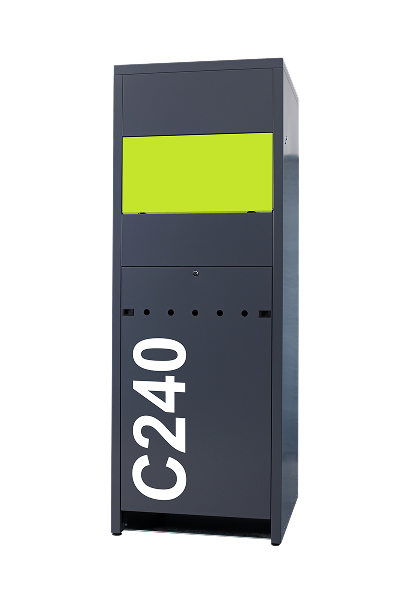
Return unit for collecting used products — e.g. worn gloves, workwear, and items designated for renovation or recycling.
Industries where our vending solutions are already in use:
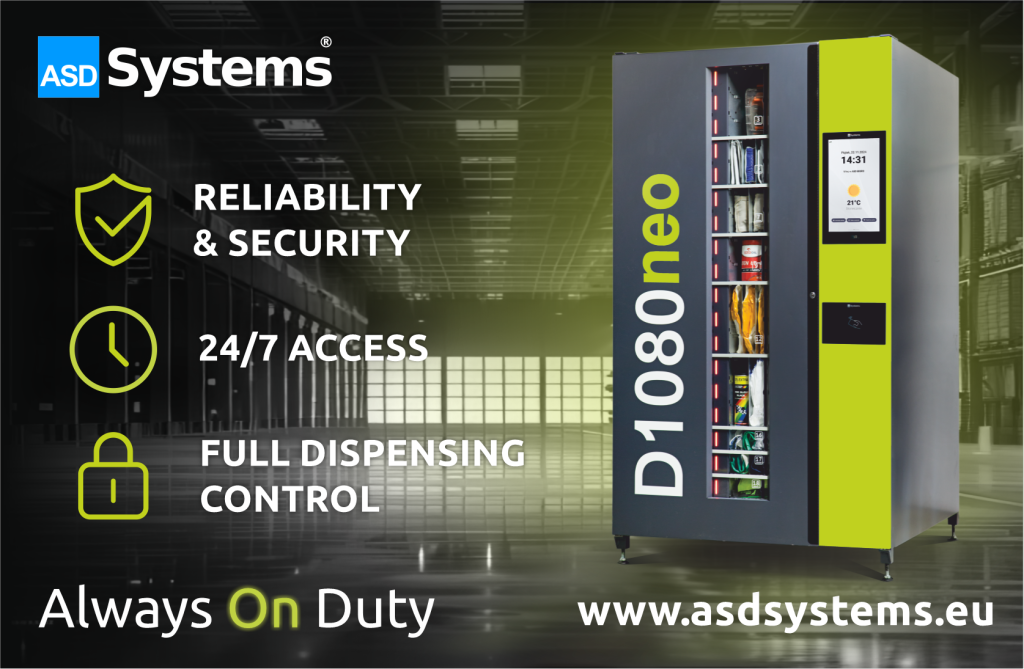
Find the Right Machine
for Your Workplace
Although we offer a defined product range, every machine is different — tailored to the individual needs of the client. This applies to:
- the model and its specific functionality,
- the number, size, and configuration of product compartments,
- the choice of user identification method — e.g. QR code reader or RFID card.
Once the solution is defined, we present the final proposal, proceed with any negotiations, and sign the contract.
Stage 3. Dedicated Technical Support Assigned
Duration: immediately after contract signing
Following contract signature, you are assigned a dedicated technical support, responsible for:
- conducting a detailed call to precisely identify any additional client requirements,
- determining the optimal compartment sizes within the dispensing machine,
- collecting all data needed to initiate machine production,
- overseeing the installation process
Data collected by the support includes:
- technical details related to the type of contactless card reader,
- network connectivity preferences (LAN or GSM),
- device configuration and optimal drum grid layout,
- any specific client requirements.
Stage 4. Made-to-Order Production
Duration: 3–4 weeks
Both the hardware and software are produced in Poland — at our headquarters in Bielsko-Biała.
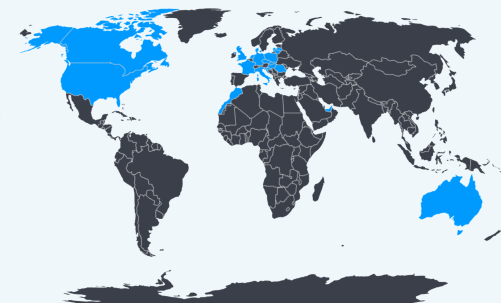
Since 2014, we have manufactured over 5,000 vending machines for clients in more than 30 countries worldwide.
Domestic production gives you concrete advantages:
- shorter lead times compared to imported alternatives,
- flexibility to modify the design even during production,
- service with 24–48 h response time,
- full customisation of the machine’s build and features to individual client requirements.
What we need from you before installation:
Prior to delivery, your technical supervisor will conduct a configuration call to jointly prepare all elements needed for a smooth implementation.
You will discuss:
- product list — including product names, photos, and catalogue numbers,
- employee list — the users who will access the machine,
- company organisational structure — departments, cost centres,
- dispensing limits — tailored to the specific needs of each employee group.
On your side, you will need to provide:
- installation space (min. 1–2 m² with unobstructed employee access),
- electrical supply (230V),
- LAN/GSM network access for machine-to-IDS communication,
- an IT contact person.
Your dedicated technical supervisor guides you through every preparation step and verifies infrastructure readiness before the scheduled delivery date.
Stage 5. Installation
Duration: 1 day
The ordered machines are delivered to the address specified by the client. On the agreed date, an ASD Systems service technician carries out the installation.
Installation includes:
- positioning the machines in the designated locations,
- connecting to the power supply,
- connecting to the network.
All technical requirements — including power supply and network connectivity — are agreed upon during the order preparation stage, ensuring a smooth installation process.
Stage 6. Commissioning & User Training
Duration: 1 day
At this stage, the machines are configured, activated, and prepared for operation, which includes:
- functional testing of the machine,
- verifying correct communication between the machine and the IDS system,
- training designated loading staff,
- training end users on how to retrieve products.
Employees can begin using the automated dispensing system on the same day. The system is ready for operation immediately after installation and training are complete.
Stage 7. Remote IDS System Administrator Training
Duration: 2–4 hours
ASD Systems staff prepare and deliver comprehensive training on the IDS management software, covering in particular:
- an overview of the machine, users, and product setup,
- dispensing transactions,
- managing dispensing limits,
- generating reports,
- monitoring stock levels,
- interpreting system data.
Following training and system go-live:
- settings are optimised based on real usage feedback,
- an intensive monitoring period of the machine and its users begins,
- client feedback is actively collected.
What You Receive After Implementation
After implementation is complete, you receive a fully operational distribution system, including:
Everything works from day one — zero downtime and full control over distribution.
Implementation Schedule at a Glance
Implementing an ASD Systems vending machine is a comprehensive 4–6 week process, starting with a detailed needs assessment and solution selection, followed by production in Poland, and culminating in installation, commissioning, and full staff training at the client’s site.
You receive a dedicated technical supervisor as a single point of contact throughout the entire implementation, and the order is fully customised — from the number and size of machine compartments, to the user identification method (RFID or QR), to integration with your organisational structure and ERP systems.
After go-live, an intensive monitoring and optimisation period ensures the system is perfectly aligned with your operational needs.
| Stage | Estimated Duration | Client’s Responsibilities |
|---|---|---|
| Stage 1: Needs Assessment & Consultation | 1–2 weeks | provide information on products, number of employees, installation location, and organisational structure |
| Stage 2: Model Selection & Configuration | 2–3 days after audit | review and accept the proposal; sign the contract |
| Stage 3: Dedicated Technical Supervisor Assigned | immediately after signing | participate in configuration call; communicate detailed requirements |
| Stage 4: Made-to-Order Production | 3–4 weeks | prepare: product list (with catalogue numbers and photos), employee list, organisational structure; designate installation space, ensure 230V power supply and LAN/GSM connectivity, appoint IT contact person |
| Stage 5: Installation | 1 day | provide access to the installation site; ensure infrastructure is ready (power, network) |
| Stage 6: Commissioning & User Training | 1 day | attend training; test the system |
| Stage 7: Remote IDS System Administrator Training | 2–4 hours | attend administrator training; provide feedback |
| Post-Implementation: Monitoring & Optimisation | first 30 days | kUse the system; provide feedback |
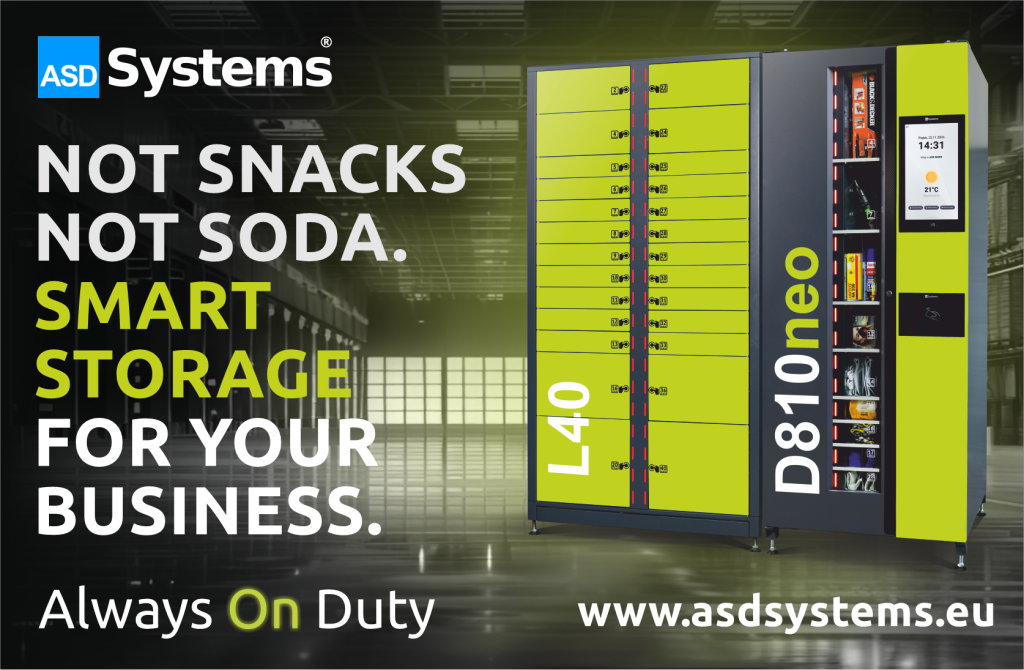
Find the Right Configuration
for Your Facility
FAQ: Vending Machine Implementation
Related articles
- How to optimize costs in a company with dispensing machines?
- What is warehouse management?
- Which warehouse processes can be automated?
Sign up for our newsletter!
Sign up and be the first to hear about new features, updates, and proven ways to save in warehouse management.
